1. Darshan of the Goddess
The central experience of any visit is darshan, the sacred act of beholding the deity. The goddess's idol at Mandarthi is richly adorned and illuminated with the warm glow of oil lamps and flower offerings. The inner sanctum carries an atmosphere of concentrated devotion that is deeply moving, whether you are a lifelong believer or a first-time visitor simply open to the experience.
2. Daily Pujas & Ritual Worship
The temple follows a full schedule of daily pujas (Shodasopachara rituals) from early morning through the evening. Each puja marks a different phase of the goddess's day waking, adorning, feeding, and resting her and watching these rituals unfold is a genuinely enriching glimpse into living Hindu worship tradition.
Key daily puja timings to plan around (verify locally for current timings):
- Pratah Puja Early morning ritual, serene and lightly attended
- Madhyahna Puja Midday ritual
- Sayam Puja Evening puja and aarti; the most atmospheric and widely attended
3. Annual Brahmotsava & Festival Celebrations
The temple's festival season is an extraordinary time to visit. The Annual Brahmotsava is the magnificent occasion in the temple calendar a multi-day celebration that draws thousands of pilgrims from across South India and includes:
- Elaborate ritual processions with the goddess carried on a decorated palanquin
- Traditional percussion and music performances
- Cultural programs and devotional events
- Massive community gatherings that reflect the deep social fabric of coastal Karnataka
Other significant occasions include:
- Navaratri Nine nights of goddess worship with special pujas and cultural celebrations
- Fridays Considered especially auspicious for Shakti worship; the temple is notably busier and more vibrant
- New Moon & Ashtami Days Traditional days of heightened significance for devotees
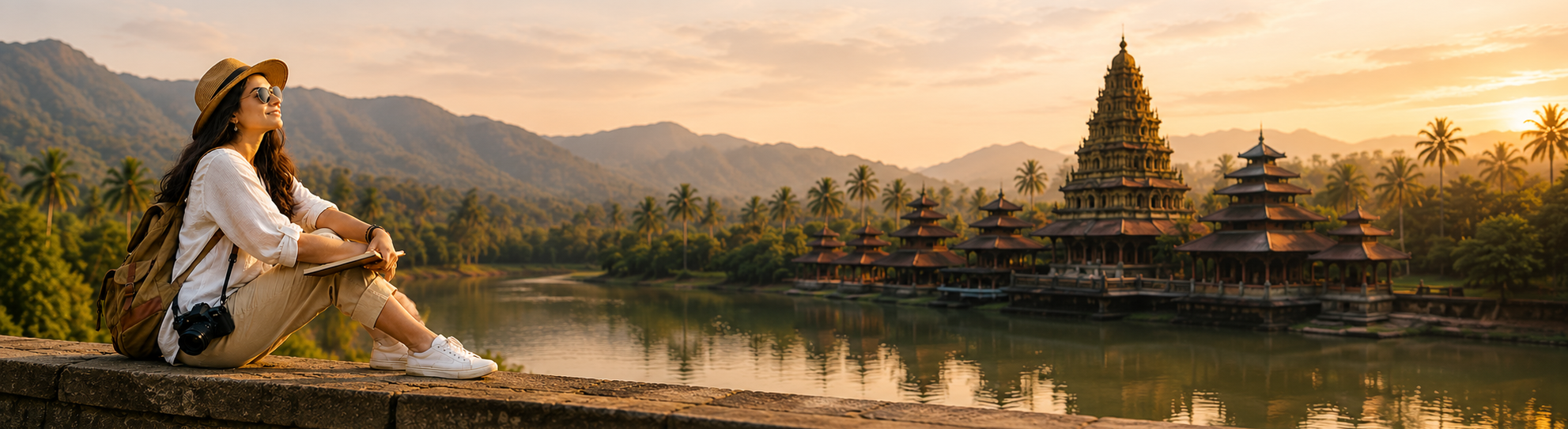
4. The Sauparnika River Setting
The temple's location on the banks of the Sauparnika River gives the entire visit a dimension that many purely urban shrines lack. The river is sacred in its own right, and many devotees take a ritual bath in its waters before entering the temple, a tradition that connects the physical act of cleansing with spiritual preparation.
Even if you don't take part in the ritual bath, spending a few quiet minutes by the riverbank watching the water move, listening to birdsong, and taking in the lush landscape is a genuinely restorative experience.
5. Temple Architecture & Sacred Art
The temple complex is built in the traditional Kerala-Karnataka Tulu Nadu style with a distinctive tiered gopura, ornate woodwork, and a spacious paved courtyard. The craftsmanship throughout the complex reflects the high standard of artisanship that characterises the magnificent temples of this region.
Look for the complex silver-plated doors of the inner sanctum, the elaborately decorated professional chariot, and the detailed carvings on the pillars and roofs. Each element tells a story for those who take a moment to look.